How to Make Smarter Choices When Fast Food Is the Easiest Option
Fast food is often less about preference than convenience. After a long workday, during a road trip or between appointments, the quickest option can easily become the most realistic one.
That does not mean every meal needs to turn into an all-or-nothing decision. Eating well over time depends more on overall habits than on making every individual meal perfect. When fast food is the easiest choice, a few simple decisions can make it fit more comfortably into the rest of the week.
Portion size, drinks, side dishes and what has already been eaten that day can all influence the choice. Planning ahead helps too. The goal is not to make convenience food complicated or attach guilt to it. It is to make a practical decision that satisfies hunger without automatically choosing the largest or heaviest option simply because it is available.
Avoid Letting a Busy Day Decide Everything for You
The hardest food decisions often happen when someone is already tired, hungry and short on time.
Having a rough plan before that point makes choices easier. Keeping a snack in a work bag, knowing which nearby places offer several meal options or simply eating something earlier can prevent extreme hunger from driving the decision.
The same principle applies to other lifestyle habits. Adults who use CBD products to unwind after demanding days may look to brands such as https://medterracbd.com/ for options that suit their preferred routine. That choice can complement everyday priorities such as consistent sleep, regular meals and making time to decompress, rather than replacing them.
When the day is better structured, fast food becomes one convenient meal rather than a response to having gone too long without eating.
That small distinction can make choices feel much more deliberate.
Think About Recovery Instead of Chasing Perfect Habits
People sometimes respond to an indulgent meal by trying to “make up for it” later through excessive exercise or unnecessary restriction.
A steadier approach is usually easier to maintain. Returning to normal meals, getting enough rest and continuing regular activity keeps one convenient dinner in perspective.
This broader focus on recovery is also why someone exploring wellness routines might encounter Oxify while considering different ways to support rest between demanding days. The useful idea here is not compensation, but consistency.
A hectic week may include takeaway meals, missed workouts or altered routines. Trying to correct everything immediately can create another source of pressure.
Instead, the next meal can simply return to the usual pattern.
Look Beyond the Main Item
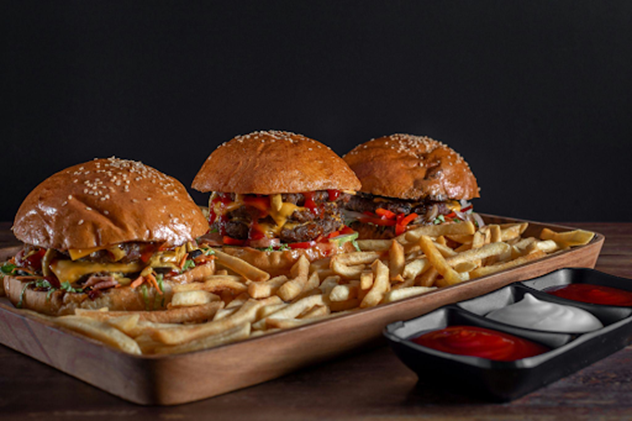
Photo by Haseeb Jamil on Unsplash
When ordering fast food, attention tends to go straight to the burger, sandwich, pizza or other main item.
The extras can change the overall meal considerably.
Large fries, sugary drinks and additional sides may be added automatically because they are part of a deal rather than because they are actually wanted. Choosing a smaller side, water or another drink can keep the meal simpler without changing the main choice.
It can also help to ask whether every addition is necessary.
If the main item is already filling, adding multiple sides simply because they are offered as part of a larger combination may not improve the experience.
The aim is not to remove everything enjoyable. It is to choose the parts of the meal that are genuinely worth having.
Use Portion Size as an Easy Adjustment
Fast-food menus often encourage people to increase portion sizes for a relatively small extra cost.
Financially, that can appear like better value. Physically, it may simply mean receiving more food than needed.
Choosing a regular rather than oversized portion is one of the simplest adjustments available because it does not require changing the type of meal.
Sharing larger sides can work too, particularly when eating with family or friends.
It also helps to eat at a normal pace. Convenience food is often eaten quickly because the entire situation feels rushed. Taking a little more time gives hunger a chance to settle before deciding whether more food is actually needed.
Make the Rest of the Day Work Around Reality
If dinner is likely to come from a takeaway, there is no need to spend the entire day worrying about it.
Instead, earlier meals can remain simple and balanced.
A breakfast with enough substance to last through the morning and a lunch that includes vegetables, protein or other filling foods can reduce the likelihood of reaching dinner extremely hungry.
Likewise, keeping water nearby throughout the day can prevent thirst from being confused with hunger.
This is not about “earning” a particular meal. It is about creating a normal eating pattern where one convenient option does not carry the entire nutritional burden of the day.
Make Convenience Work for You
Fast food exists because it solves a genuine problem: people sometimes need food quickly.
The smartest approach is not necessarily avoiding it altogether. It is using convenience without allowing convenience to make every decision.
That might mean checking the menu before arriving, choosing a regular portion, skipping extras that are not particularly appealing or keeping a simple snack available so hunger does not become overwhelming.
It also means letting one meal remain one meal.
A busy evening does not undo an otherwise balanced week, just as ordering something lighter once does not create a healthy routine on its own.
Food choices become easier when they are viewed over time rather than judged individually. Fast food can fit into everyday life when it is treated as one practical option among many, not as something that requires either complete avoidance or complete abandon.
Small decisions around timing, portions and extras are usually enough to make the easiest option feel a little more considered.