Sponsor, Pub Screen, Betting Slip: Why Premier League Match Days Are Such a Fast-Food Occasion
The group chat goes off at 11:40 on a Saturday. Someone wants the Chicken Sharebox, someone else is asking whether the app has a deal on, and a third person has already posted a screenshot of an accumulator that needs Brighton to hold on at 12:30. Nobody planned a ritual. It just happens, every other weekend, from August to May.
Match day is a food occasion first. That’s the part fans rarely say out loud, because it sounds less romantic than the football. But the order tells the story: the sharebox gets sorted before kick-off, the drinks get argued over, and the screen in the corner of the room runs the whole show. Around that routine sits a second habit that most supporters treat as completely normal. The betting slip.
The Routine Nobody Admits To Planning
The food side is easy to measure. Takeaway data from the England World Cup run showed a 16% rise in orders around matches, and most of that demand was placed before kick-off, not during it. That tracks with how match day actually feels. Nobody wants to be queuing at the counter when the team sheet drops, so the order goes in early and gets sorted for the group.
The menu fits the format almost too neatly, which is a big part of why fast food suits a night in with friends. A Chicken Sharebox at £11.29 feeds a sofa full of people, the 20 McNuggets Sharebox at £6.99 is the cheap option for a smaller crowd, and the Chicken Selects Sharebox at £9.19 lands in between. Nothing about it requires a plate, a table or a conversation. You can eat with one hand and hold a phone with the other, which matters more than it should.
That phone is rarely idle. On a typical Saturday the same group deciding who covers the food is also deciding who’s backing what. One person has an acca running on the early kick-off, another has a goalscorer market they’re quietly nervous about, and a third is just there for the nuggets and the atmosphere. Football, food and a bit of risk, all in the same room.
Before the weekend even starts, a lot of those people have done a little homework. They’ve compared welcome offers, checked the small print on free bets, and looked at which sign-up deals are worth the effort. Sportsbook promotions get most of the attention, but the casino side runs on the same logic, and the top casino bonus offers get weighed up the same way: what’s the wagering requirement, how long do you have to clear it, and does the headline number survive contact with the terms? The people doing this are usually the same ones splitting the sharebox. Value-hunting is a habit, and it doesn’t switch off between the food order and the bet slip.
I’ve watched this play out enough times to know it isn’t a niche behaviour. It’s just a Saturday.
The Sponsor On The Shirt
For years the betting brand on the front of the shirt was part of the furniture. Premier League clubs agreed to withdraw gambling sponsors from the front of matchday shirts, a change that has been rolling out ahead of the 2026/27 season. That doesn’t end betting’s presence around football. Clubs are expected to move those brands to sleeves and digital placements, and the replacement sponsors are a story in themselves.
It’s worth sitting with that for a second. Fast food, unhealthy products and gambling have all been part of the sponsorship mix across major European leagues for over two decades. One peer-reviewed review of ten leagues found that these industries had a consistent footprint on club shirts, with researchers raising concerns about how that exposure shapes fan behaviour. You don’t have to agree with every conclusion to see the pattern. The things fans consume on match day, and the things advertised at them, overlap more than anyone designed.
That overlap is the reason the food-and-betting connection isn’t a stretch. Plenty of the people planning a sharebox order are watching the same sponsor logos scroll past on the ad boards. The environment normalises the pairing long before anyone makes a conscious choice.
The Pub Screen And The Living Room
There are two versions of match day, and they feed people differently.
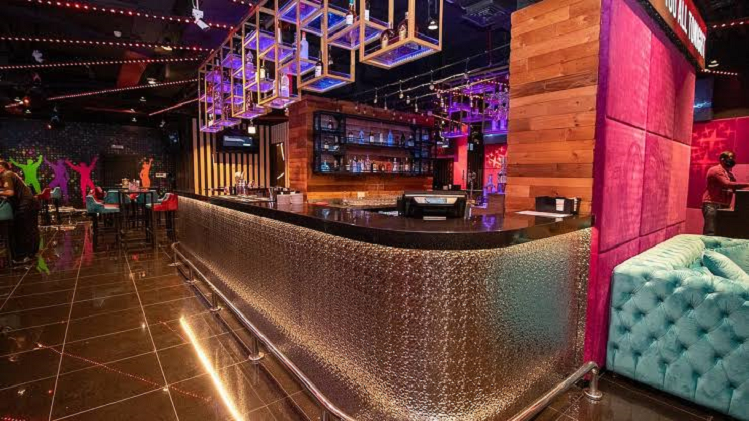
The pub version runs on shared screens, and the numbers back that up. Sky reported a sales uplift for venues showing its matchdays, particularly for the bigger fixtures and the final day of the season, in its pub-screen figures. Pub food does well, but the sharebox culture belongs to the other version.
The living-room version is where fast food really earns its place. The order arrives, everyone grabs a box, and nobody has to leave their seat for a corner or a VAR check. The football is the main event, and the food is the logistics. Betting slots in as the third layer, the one that gives a flat 0-0 at half-time a little extra tension.
Here’s the honest bit. A lot of the time that tension is the point. A bet on a quiet match keeps you watching. It also keeps you spending, and that’s where the casual habit gets slippery if you aren’t paying attention.
Why The Pairing Works, And Where It Slips
The pairing works because both things are built around convenience and low commitment. A sharebox costs less than a night out. A £5 accumulator costs less than a pint round. Neither feels like a big decision, and that’s exactly what makes both easy to repeat every single weekend.
The slip is the same for both. Small, regular spending is easy to ignore until you add it up. Three Saturdays of food orders, a few accas and a couple of promotions chased because the offer looked good can quietly run past what you’d have said you were spending. Not a disaster. Just a number that surprises you when you finally check.
The fix is boring and it works. Decide the food budget and the betting budget separately, before the weekend, and treat each as spent once it’s gone. If a promotion needs you to deposit more than you’d planned to, that’s your answer. Skip it.
What To Take From All This
Match day is a food occasion, a social occasion and, for a lot of people, a betting occasion, all at once. None of that is a scandal. It’s a routine that grew up around football and got more connected over time, helped along by sponsors, apps and group chats that make every part of it easier.
The smart version of that routine is the one where the football stays the point. Order early, split the bill fairly, keep the betting to a number you’ve already decided, and treat any offer as optional rather than something you owe yourself. The sharebox will still be cold by full time either way.
FAQ
Why do fans order fast food on match days? It fits the format. Shareboxes feed a group without plates or cooking, orders are placed before kick-off, and you can eat with one hand while watching. Takeaway data around England matches showed a 16% rise in orders, mostly placed early.
Are betting sponsors leaving Premier League shirts? Gambling sponsors are being removed from the front of matchday shirts, a change taking effect around the 2026/27 season. Brands are expected to shift to sleeves and digital placements, so betting advertising around football isn’t disappearing entirely.
How do I compare casino bonuses sensibly? Ignore the headline figure first. Check the wagering requirement, the time limit, the max bet cap and which games count towards clearing it. A smaller bonus with a 20x requirement often beats a bigger one at 40x.
Is it normal to bet on a match while watching with friends? It’s common, and for most people it stays casual. The risk is that small, regular stakes add up unnoticed. Set a limit before kick-off and treat it as already spent.
Do pub screens or home viewing drive more food orders? Both do, in different ways. Pubs see a sales uplift on big fixtures, per Sky’s figures, while home viewing leans on shareboxes and bundles ordered ahead of kick-off.
Gambling involves risk. Please play responsibly and only wager what you can afford to lose. If you feel gambling is becoming a problem, visit BeGambleAware.org or call 1-800-GAMBLER.