How Restaurants Can Build a Memorable Brand on a Budget
Walk into a restaurant you love and think about what you actually remember.
Maybe it is the handwritten menu on the wall. Maybe it is the warm lighting, the way the staff greet regulars by name, the funny message printed on the takeaway bag, or the tiny bowl of sweets sitting beside the till.
Chances are, you are not remembering an expensive branding campaign.
That is good news for independent restaurants.
Building a memorable brand does not require a huge marketing department, celebrity endorsements, or a six-figure redesign. What it does require is consistency, personality, and a clear understanding of how you want people to feel when they interact with your restaurant.
Your brand is not simply your logo. It is the experience customers associate with your business, from the moment they discover you online to the moment they recommend you to a friend.
And with a few smart decisions, even a small restaurant can build a brand that feels established, distinctive, and worth returning to.
Start With the Feeling You Want to Create
Before thinking about fonts, colours, menus, or Instagram posts, ask yourself one question:
How should customers feel when they think about your restaurant?
A neighbourhood pizza place might want to feel relaxed, energetic, and familiar. A small family-run Mediterranean restaurant may want customers to associate it with warmth, generosity, and tradition. A lunch café near an office district might focus on convenience, freshness, and friendliness.
This emotional direction becomes the foundation of your brand.
Without it, branding decisions become random. One week your social media looks playful, the next week it suddenly becomes formal. Your menu sounds sophisticated while your signage looks like a fast-food outlet.
Customers may not consciously notice the inconsistency, but they often feel it.
Choose three or four words that describe your restaurant’s personality and use them as a simple filter for future decisions.
For example:
- Warm, local, uncomplicated, generous
- Modern, energetic, fresh, playful
Those few words can influence everything from staff communication to packaging.
Keep Your Visual Identity Simple
Small restaurant owners sometimes assume that good branding means having dozens of different design elements.
Usually, the opposite works better.
A simple visual identity is easier to remember and much easier to maintain.
You really only need a few basic elements: a recognisable logo, two or three brand colours, one or two fonts, and a consistent photography style.
If you are starting from scratch, digital tools can help you explore ideas without immediately hiring a full creative agency. An AI logo creator can be useful for testing different visual directions, layouts, and styles before deciding what genuinely fits the personality of your restaurant.
The important part is not creating the most complicated logo imaginable. It is creating something customers can recognise quickly.
Think about your restaurant sign, social media profile picture, delivery packaging, menu header, and website. Your branding should remain clear in all of these places.
Complex logos often disappear when printed on a small coffee cup or displayed as a tiny social profile icon.
Simple usually wins.
Make Your Menu Part of the Brand
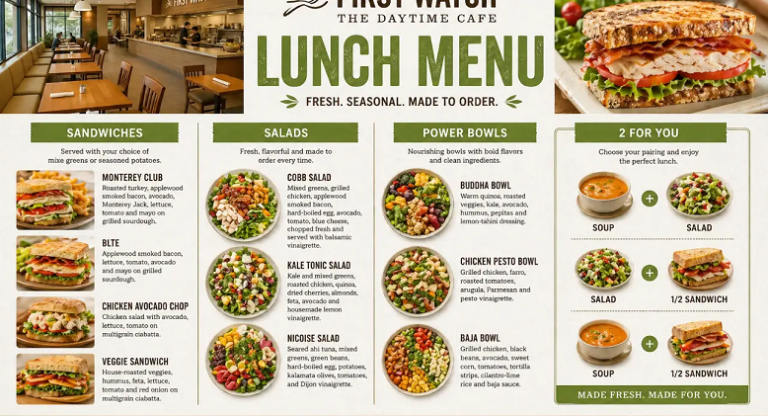
Your menu is one of the strongest branding tools you already own.
Yet many restaurants treat it purely as a list of dishes and prices.
The language, design, descriptions, structure, and even dish names can communicate personality.
Compare these two descriptions:
“Chicken sandwich with chips.”
Versus:
“Crispy buttermilk chicken, house slaw and smoky chilli mayo, served with seasoned fries.”
The second version immediately gives customers more of a feeling.
That does not mean every restaurant needs elaborate descriptions. A traditional café might deliberately keep things straightforward. A playful burger restaurant might give dishes humorous names. A premium restaurant may use shorter descriptions and let ingredient quality do the talking.
The point is to make your menu sound like your restaurant.
And do not underestimate presentation. You do not necessarily need expensive printed menus. A carefully designed single-page menu on good-quality paper can look much more polished than a large, glossy booklet overloaded with graphics.
Turn Small Details Into Brand Memories
Memorable brands are often built through tiny details rather than big advertising campaigns.
Imagine two takeaway cafés.
The first gives you coffee in a generic cup.
The second uses a simple branded sticker with a message such as, “You look like you needed this.”
That tiny interaction costs very little, but customers may remember it.
You can apply the same thinking across the customer journey.
Perhaps every takeaway order includes a handwritten thank-you note. Maybe your restaurant has a signature playlist. Perhaps your dessert arrives with a tiny card explaining the story behind the recipe.
These details become conversation starters.
And conversation is one of the most affordable marketing channels available.
If customers naturally tell friends about something unusual or charming, your brand starts spreading without you having to pay for every impression.
Use Social Media Like a Restaurant, Not a Corporation
You do not need highly polished content every day.
In fact, overly professional posts can sometimes make independent restaurants feel less personal.
People enjoy seeing what is happening behind the scenes.
Show the chef preparing tonight’s special. Introduce the person who has been making coffee every morning for five years. Film a quick video of fresh bread coming out of the oven. Share the story behind a family recipe.
A slightly imperfect video filmed on a phone can feel more engaging than a perfectly produced advertisement.
The key is consistency.
Posting twelve times one week and disappearing for two months will not build much recognition. Posting two or three times a week consistently is usually much more effective.
Technology also makes this easier than it used to be. Scheduling platforms, simple editing apps, design tools, analytics dashboards, and AI-assisted writing tools can help small restaurant teams create content without needing a dedicated marketing employee.
Just remember that technology should support your personality, not replace it.
Your customers still want to see real food, real people, and real stories.
Pay Attention to What Customers Teach You
One of the biggest advantages restaurants have today is access to feedback.
Reviews, comments, direct messages, online ordering data, and social media engagement can all reveal what customers value most.
Maybe you think your handmade pasta is the biggest attraction, but customers constantly mention your friendly staff.
That tells you something important about your brand.
Perhaps customers repeatedly post photos of one colourful dessert. That may be a sign that the dish should appear more often in your social media content.
Technology makes this type of learning much easier because feedback is no longer limited to occasional conversations at the table.
You can observe patterns.
Which posts get saved?
Which menu items are shared online?
What words appear repeatedly in reviews?
Which offers bring customers back?
You do not need complicated analytics software to start learning. Even spending thirty minutes each week reviewing customer feedback can reveal surprisingly useful insights.
Think of branding as an ongoing learning process rather than a one-time project.
Your customers are constantly showing you what they remember. Your job is to notice.
Build Recognition Through Repetition
People rarely remember a brand after seeing it once.
Recognition comes from repetition.
The same tone of voice appears on your menu, website, social media, takeaway packaging, and signage.
The same colours show up repeatedly.
The same personality appears in the way your staff communicate.
Over time, customers begin connecting these things with your restaurant.
This is why constantly changing your branding can be counterproductive.
You do not need a new logo every year.
You need a recognisable identity that becomes familiar.
If something is working, allow it time to become associated with you.
Give Your Team a Role in the Brand
Your staff are one of the most visible parts of your brand.
A beautiful website cannot compensate for a cold customer experience.
You do not need staff to follow robotic scripts. In fact, that often makes interactions feel less authentic.
Instead, make sure everyone understands the personality of the restaurant.
If your brand is relaxed and friendly, encourage natural conversation.
If your restaurant focuses on food education, staff should be comfortable explaining ingredients or preparation methods.
If speed and convenience are central to your positioning, your service process should reflect that promise.
Customers experience branding through people much more than through marketing materials.
When the service matches the visual identity and messaging, the restaurant feels more believable.
Collaborate Instead of Paying for Reach
Marketing partnerships can also help restaurants grow without large advertising budgets.
Look for businesses that serve similar customers but do not directly compete with you.
A café might collaborate with a local bakery.
A restaurant could work with a nearby wine shop.
A healthy lunch spot might partner with a gym or yoga studio.
You could create a shared event, discount, tasting evening, giveaway, or social media collaboration.
These partnerships introduce your restaurant to an existing local audience while giving both businesses something interesting to talk about.
For small restaurants, local relevance is often more valuable than massive reach.
One recommendation from a trusted neighbourhood business can sometimes be more powerful than thousands of random social media impressions.
Stop Trying to Look Bigger Than You Are
Small restaurants often try to make themselves appear like large brands.
But being small can actually be your advantage.
You can tell stories larger chains cannot.
You can introduce the person who wakes up at 5 a.m. to bake the bread.
You can explain why a particular recipe has been in the family for twenty years.
You can remember regular customers.
You can respond personally to comments.
You can change something quickly when customers give useful feedback.
These human details are difficult for large organisations to reproduce convincingly.
So instead of hiding the fact that you are independent, build your brand around it.
People increasingly value businesses that feel real.
A Memorable Brand Is Built One Interaction at a Time
You do not need a massive budget to build a restaurant brand people remember.
You need clarity.
Know what your restaurant stands for. Keep your visual identity consistent. Let your personality appear in your menu, packaging, social media, and customer service. Use technology to learn faster and work more efficiently, but keep the human side of the business visible.
Most importantly, pay attention to the small moments.
A friendly conversation.
A memorable dish.
A clever takeaway message.
A helpful reply to a customer online.
A story behind a recipe.
Individually, these things may seem minor. Together, they create an identity.
And that is what strong restaurant branding really is: not one expensive campaign, but hundreds of consistent experiences that gradually make people think, “I know this place.”
When customers feel that sense of familiarity, they are far more likely to return, recommend you, and remember your restaurant long after the meal is over.